Typically Viennese?
On the Production and Design of Opera Scores Written by Professional Copyists in Mid-Eighteenth-Century Vienna
DOI:
https://doi.org/10.71045/musau.2026.SI1.34Keywords:
18th century, brocade paper, copyists, Vienna, workshop, Ziss, TheresiaAbstract
This study investigates the production and material characteristics of opera scores created by professional copyists and bookbinders in mid-eighteenth-century Vienna, drawing on an extensive analysis of over 160 manuscripts from Habsburg collections. It explores the identification of scribes’ hands, the selection of paper, and the operational structures of independent workshops that emerged around 1760, marking a pivotal shift in the organization of music manuscript production.
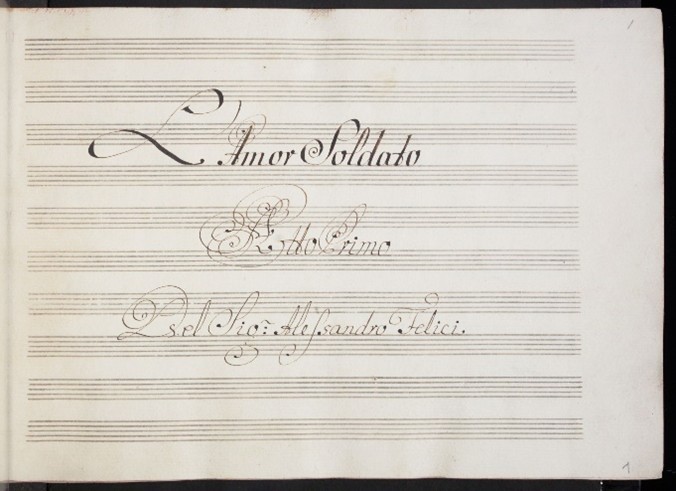
The paper emphasizes the codicological features of the scores, including binding styles, paper types, and staff ruling, while also exploring the influence of notable figures like Theresia Ziss (1700–1777), the widow of Viennese court copyist Andreas Ziss (c.1692–1755), on the standardization of Viennese copying practices. Her copyist workshop is highlighted for its significant contribution to the aesthetic and functional qualities of the manuscripts, showcasing a remarkably consistent writing style.
The findings on ink color, handwriting, and structural elements of the scores provide a comprehensive understanding of the material culture surrounding the production of music in mid-eighteenth-century Vienna, underscoring the intricate craftsmanship involved and its broader implications for the study of eighteenth-century music transmission.