Fourteen National Waltzes of London
Making “Real” Viennese Music Through Machines and Scores Around 1813
DOI:
https://doi.org/10.71045/musau.2026.1.76Keywords:
nineteenth century, London, mechanical music, military music, orchestra, Panharmonicon, Pecháček, František, technology, timbre, Vienna, waltzAbstract
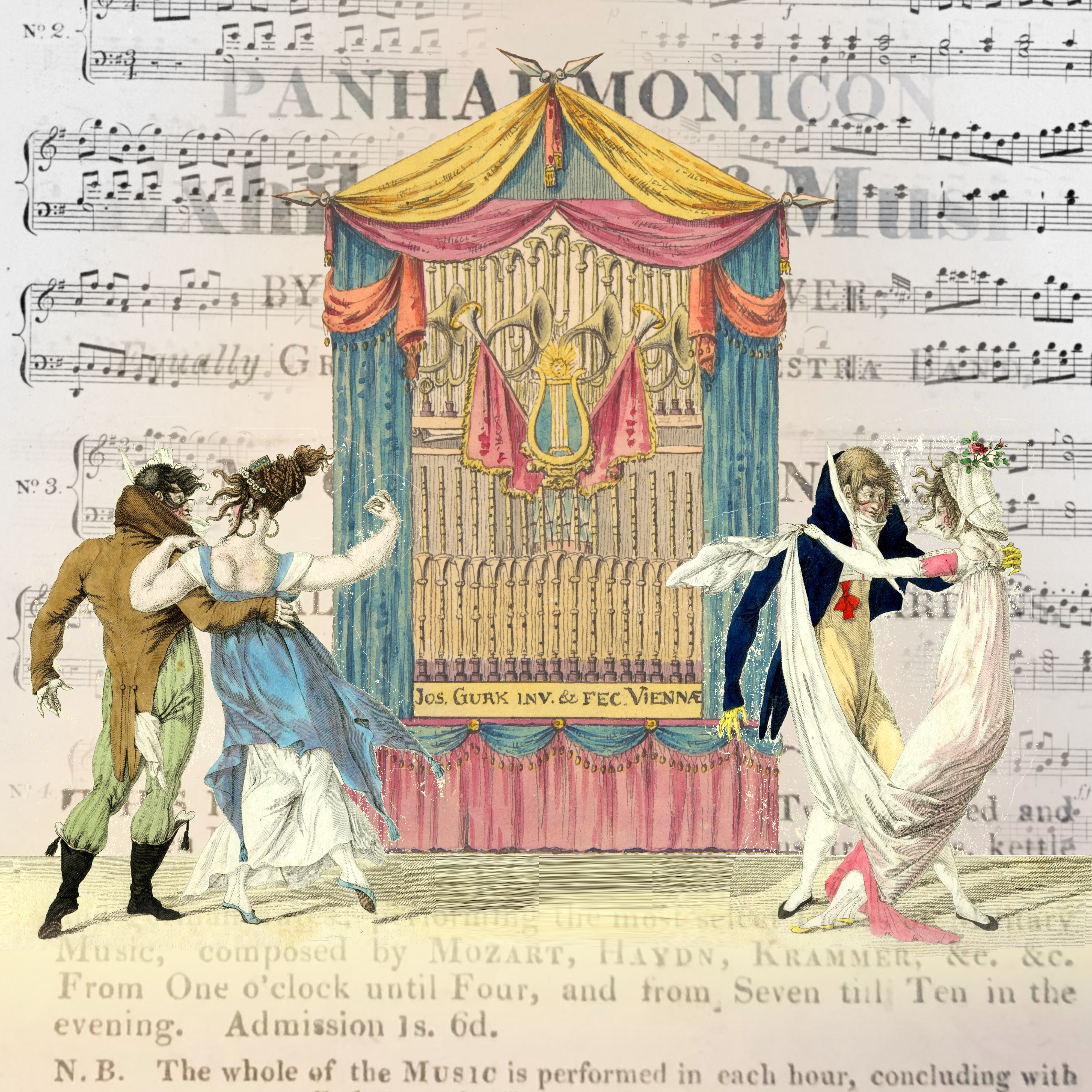
In 1813 in London, Charles Wigley, a shopkeeper and curiosities exhibitor, printed and sold two sets of waltzes as a complement to the performances of his Panharmonicon. This was a mechanical orchestra, crafted by the Viennese inventor Joseph Gurk, and presented to the public by Wigley, at his premises. The scores came as souvenirs for visitors, who could thus reproduce the music heard there at their homes. These National Waltzes of Vienna, initially played by the machine, were indeed arranged for piano by the composer Henry R. Bishop, whose name, in the absence of the composer’s, remains on the title page. This article explores the process that led to the publication of these waltzes through the musical entrepreneurial links developed between Vienna and London at the turn of the nineteenth century. In addition to clarifying the authorship of this work—which, through the cross-referencing of various documents, can be attributed to František Pecháček—this contribution links their specific case to broader trends in the musical culture of the period. It does so by following the themes of audiovisual simulation, orchestral timbre, and commercialization, which were central to the gradual emergence of new aesthetics across Europe. This investigation reveals the synthetic nature of a musical text that brings these various aspects together to promote the “authenticity” of its music. A key factor in characterizing these compositions as “Viennese waltzes” was the distance separating their listeners from their supposed place of origin. The article shows how the score extends the process initiated by the machine and establishes this distance by seeking to abolish it. In this way, it prompts reflection on the enduring links and tensions between effectful representations, technical means to carry them out and localizations of the real.